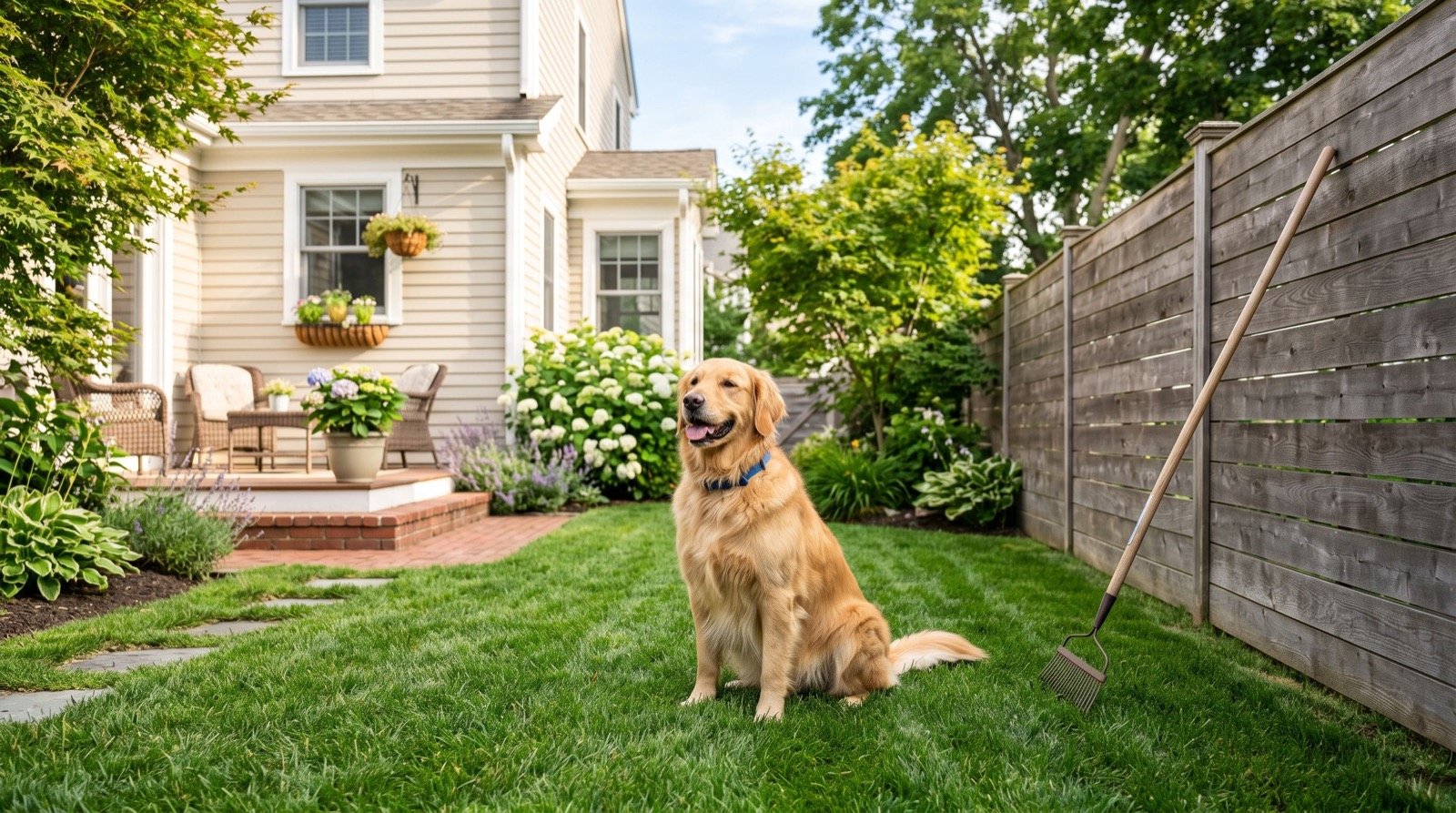
Multi-Dog Waste Management: Stay Ahead in 2026
One dog makes a mess you can ignore for a day; three dogs make a yard you cannot. Multi-dog waste management is a different challenge entirely, where volume, odor, and parasite risk all multiply at once. If your household runs a small pack, this 2026 guide gives you a system that keeps the yard clean, the air fresh, and the whole family healthy without eating your weekend.
We will cover a realistic cleanup schedule, the gear that handles high volume, a comparison of disposal methods, and the hygiene steps that matter more when several dogs share a space. The goal is a routine you can sustain, not a heroic cleanup every Sunday.
Why volume changes everything
A single medium dog produces roughly three-quarters of a pound of waste a day. Multiply that by three or four dogs and you are managing several pounds daily, more than a casual bag-and-toss habit can keep up with. Left unmanaged, that volume kills grass, breeds flies, and drives odor across the whole property.
The fix is frequency plus capacity. You need tools that collect more per pass and a disposal setup that contains the larger load. Trying to manage a pack with single-dog gear is the fastest route to falling behind.
The compounding health risk
More waste means more opportunity for parasite transmission between your dogs and to people. The American Veterinary Medical Association emphasizes routine deworming and prompt waste removal precisely because shared yards let parasites cycle through a group quickly. Staying ahead of the pile is preventive medicine, not just housekeeping.
Gear that handles a pack
High volume rewards tools built for capacity and speed. These are the essentials for multi-dog homes.
- Wide, rigid scooping head: collects more per pass so you finish faster.
- Large-capacity bags: fewer trips to the bin on each cleanup round.
- A dedicated lidded bin: contains odor between collection days.
- Backup tools: a second scooper means cleanup never stops for maintenance.
- Pet-safe disinfectant: for weekly sanitizing of high-traffic spots.
Stock plenty of strong bags, because running out mid-round is a guarantee with a pack. A case of heavy Dog duty Bags gives you the thickness and size to bundle a multi-dog load without double-bagging or leaks.
A sustainable cleanup schedule
| Number of dogs | Yard pickups | Bin emptying | Deep sanitize |
|---|---|---|---|
| 2 dogs | Once daily | Twice weekly | Weekly |
| 3 dogs | Twice daily | Every 2–3 days | Weekly |
| 4+ dogs | Twice daily | Every 1–2 days | Twice weekly |
Consistency beats intensity. Two quick passes a day with the right tools keep a four-dog yard cleaner than one exhausting weekly marathon ever could.
How should you dispose of a large daily load?
Disposal is where multi-dog homes struggle most. Follow this sequence to keep odor and mess contained.
- Collect each pickup into a single large, strong bag during your round.
- Knot the bag tightly and drop it into a lidded outdoor bin.
- Keep the bin in shade to slow bacterial odor in warm months.
- Empty on schedule rather than waiting for the bin to overflow.
- Rinse and disinfect the bin itself every couple of weeks.
For speed across a larger property, a long-handled Dog poop Scooper with Bag Attached lets one person clear the whole yard upright, sealing as they go rather than returning to tie bags.
Keeping a shared yard healthy
When several dogs share grass, that space needs more than pickups. Rotate high-traffic potty zones if you can, so no single patch becomes saturated. Sanitize concrete runs weekly, and reseed worn grass in spring to keep the ground from turning to bare, muddy dirt.
For larger kennels or commercial-scale properties, treat waste upkeep like any facility task: hire or consult reliable local experts when the volume outgrows a household routine. A maintained surface is easier to clean and healthier for the pack.
Controlling odor across a shared yard
Odor is the complaint that drives multi-dog owners to act, and it has a clear cause: exposed waste and warm temperatures feed bacteria that release the smell. Removal frequency is your first lever, but a few extra habits keep a pack’s yard genuinely fresh.
Keep your collection bin lidded and shaded, rinse concrete runs weekly, and apply a pet-safe enzymatic cleaner to recurring hot spots. Enzymes break down the organic residue that ordinary hosing leaves behind, which is where lingering smell actually hides.
Preventing parasite cycling in the pack
When several dogs share ground, an untreated parasite in one dog can quickly infect the others through contaminated soil. Prompt removal breaks that cycle before eggs become infective, which for some parasites takes only a few days in the environment.
Pair your cleanup routine with your vet’s deworming schedule and a quick visual check of each dog’s stool during pickup. Catching a problem early, when you are already scooping daily, is far easier than treating a whole pack after an outbreak spreads.
Designing a pack-friendly yard layout
A little planning cuts cleanup time dramatically. Establish a gravel or mulch potty zone that drains well and scoops cleanly, keep that area away from where the dogs eat and lounge, and ensure you can reach it with a hose. A purpose-built zone concentrates the mess where it is easiest to manage, instead of spreading it across the whole lawn.
Frequently Asked Questions
How often should I clean a multi-dog yard?
Aim for at least once daily with two dogs and twice daily with three or more. Frequent, small passes prevent the volume buildup that damages grass and drives odor.
Can multiple dogs share one potty area safely?
Yes, if you clean it often and sanitize regularly. Shared areas raise parasite risk, so prompt removal and routine deworming are essential to keep the whole pack healthy.
What bin size works for three or more dogs?
Choose a lidded bin large enough to hold several days of knotted bags without overflowing. Keeping it shaded and emptying on a set schedule controls odor between collections.
Does more waste mean more flies and odor?
It can, but sealed bags, a lidded bin, and twice-daily pickups break the cycle. Flies and smell thrive on exposed waste, so removal frequency is your best defense.
The bottom line
Multi-dog waste management is about systems, not strength: the right high-capacity tools, strong bags, a lidded bin, and a twice-daily rhythm keep even a busy pack’s yard clean and healthy. Build the routine once and it runs itself. Set up your system this week and spend your weekends with your dogs instead of cleaning up after them.