Storage for Restaurants in Saudi Arabia: A Practical 2026 Guide
Storage for restaurants is a bigger operational challenge than most owners expect once a business grows past a single location. Across Dammam, Khobar, and the wider Eastern Province, restaurant groups are opening new branches faster than their back-of-house storage can keep up, leaving non-perishable stock, equipment, and seasonal supplies crammed into spaces never meant to hold them.
This guide looks at what restaurants actually need from storage beyond the kitchen cold room, the risks of getting it wrong, and how to compare options before your next lease renewal.
Why Restaurants Need More Storage Than the Kitchen Provides
Most restaurant kitchens are designed around daily service, not bulk inventory. Walk-in fridges and dry stores hold a few days of perishables, but they rarely have room for bulk dry goods, seasonal menu packaging, promotional stock, spare equipment, or furniture used only during Ramadan tents and outdoor seating seasons.
As menus expand and catering or delivery arms grow, restaurant groups end up renting storage space almost by accident — a spare room here, a shipping container there — without ever evaluating whether that space actually protects the stock sitting in it.
What Gets Ruined by Poor Restaurant Storage?
- Bulk dry goods like flour, rice, and oils that absorb moisture and spoil faster in humid storage.
- Disposable packaging and takeaway containers that warp or stick together under heat.
- Spare kitchen equipment left to rust in uninsulated metal containers.
- Printed menus, signage, and branded packaging that fade or curl in direct heat.
- Seasonal décor and outdoor furniture damaged by swings in temperature between uses.
How Pests Enter the Picture
Dry goods storage is one of the most common entry points for pest problems in the food service industry. Warm, humid, poorly sealed storage spaces attract insects and rodents far more readily than climate-stable units, and a single infestation can force a restaurant group to discard an entire batch of bulk inventory — a costly and entirely avoidable loss.
What Storage Do Restaurants Need in Saudi Arabia?
Beyond refrigeration, restaurants need a stable, pest-managed space for bulk dry goods, packaging, and equipment that is not in daily use. Temperature consistency matters more than people assume: even products not legally classed as perishable can degrade in quality — oils turning rancid, packaging losing structural integrity — when stored through repeated heat cycles.
Ambient Storage in Dammam addresses exactly this gap, holding non-refrigerated stock at a steady temperature and humidity level that standard warehouse or container storage simply cannot match in Gulf conditions.
Comparing Storage for Restaurants Against the Alternatives
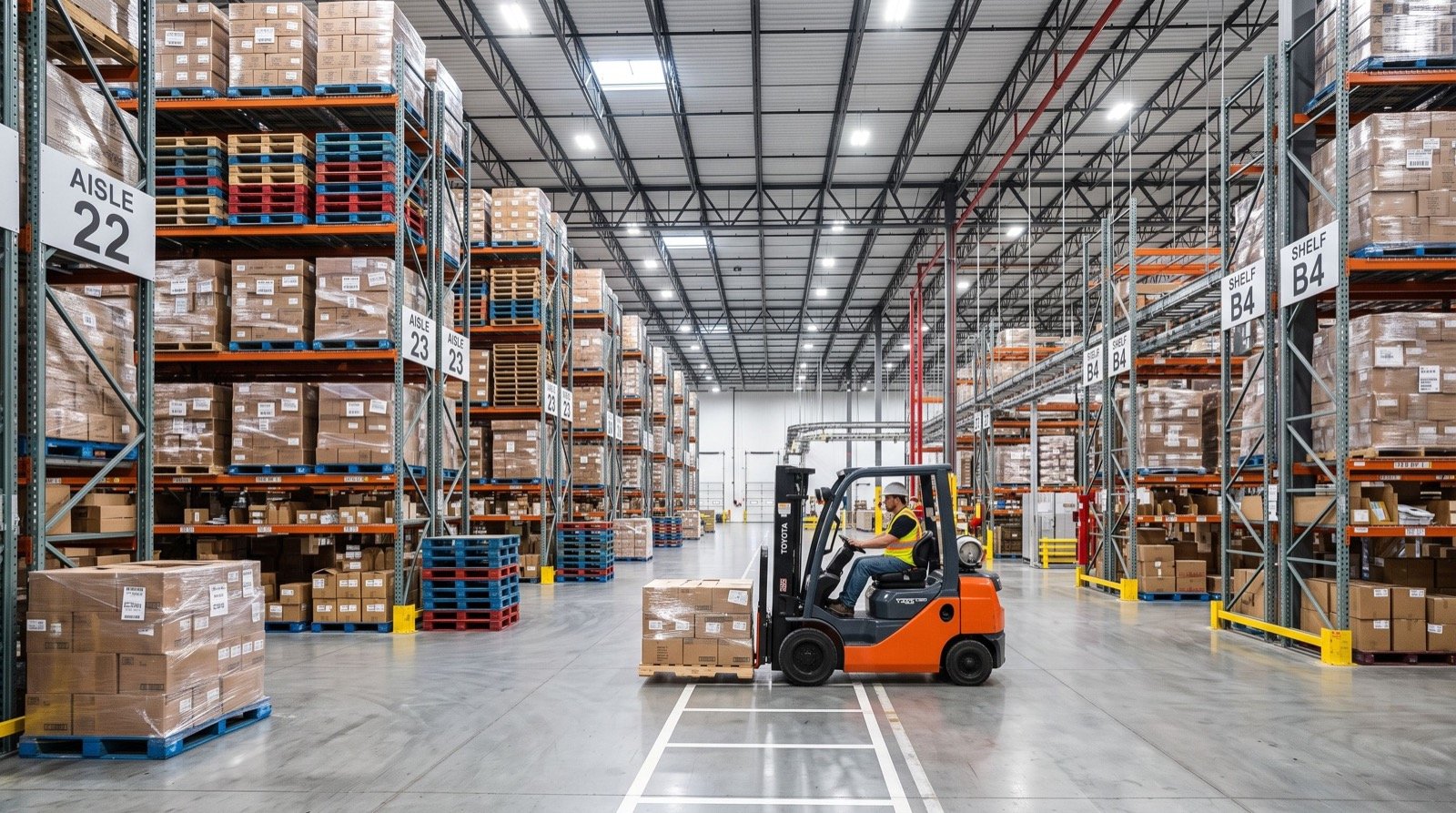
Dedicated Storage for Restaurants is designed specifically around food-service needs: sealed, pest-controlled units, shelving suited to bulk cases and catering equipment, and access hours that fit around delivery schedules rather than standard office hours.
| Storage Option | Pest Control | Temperature Stability | Access Flexibility |
|---|---|---|---|
| Spare room on-site | Minimal | Low | High |
| Shipping container | None | Very low | Medium |
| Shared commercial warehouse | Variable | Moderate | Low |
| Dedicated restaurant storage | Managed | High | High |
A Quick Checklist Before You Rent Storage for Your Restaurant Group
- Confirm the facility manages pests proactively, not just in response to complaints.
- Check temperature stability claims against your actual bulk stock needs — oils, flour, and packaging all have different tolerances.
- Make sure access hours line up with your delivery and prep schedule, not just business hours.
- Ask about shelving and racking suited to catering-size cases, not pallets built for industrial goods.
- Review contract flexibility for scaling storage up during Ramadan or down in quieter months.
Running through this checklist before signing a lease saves restaurant groups from the common trap of discovering storage limitations only after a batch of inventory has already spoiled.
Centralized vs. Distributed Storage for Multi-Branch Restaurant Groups
Restaurant groups operating several branches across Dammam, Khobar, and the wider Eastern Province eventually face a choice: keep a single centralized storage hub that supplies every branch, or let each branch manage its own overflow storage independently. Both models work, but they suit different stages of growth.
- Centralized storage gives tighter control over bulk purchasing, easier stock rotation, and simpler pest management across one site instead of several. It suits groups with five or more branches ordering from shared suppliers.
- Distributed storage — a small unit near each branch — reduces delivery time and transport cost, which matters for groups spread across a wide geographic area with tight delivery windows.
- Hybrid models use a central hub for slow-moving bulk goods and smaller branch-level units for fast-moving packaging and seasonal items, balancing control with convenience.
Groups that scale past three or four branches without revisiting this decision often end up with inconsistent storage conditions from site to site, which makes quality control and cost forecasting much harder than it needs to be. Reassessing the model annually, as branch count grows, keeps both costs and food-safety standards predictable.
Seasonal Demand Planning
Ramadan, national holidays, and outdoor dining seasons all shift how much bulk stock a restaurant group needs on hand at once. Building a simple seasonal calendar — mapping expected volume increases against storage capacity months in advance — prevents the last-minute scramble to find emergency overflow space during the busiest weeks of the year, when space and labor are hardest to secure at a reasonable price.
It also helps to work with reputable service experts who understand food-service logistics specifically, rather than a general storage provider unfamiliar with the rotation and access patterns restaurants need.
Frequently Asked Questions
What storage do restaurants need beyond a walk-in fridge?
Restaurants typically need separate space for bulk dry goods, packaging, spare equipment, and seasonal items, ideally in a climate-stable, pest-managed unit rather than squeezed into kitchen space built for daily service.
Can restaurant groups rent storage for just the Ramadan season?
Many providers offer flexible short-term terms specifically because food-service demand spikes seasonally, making it possible to scale storage up temporarily without a long-term commitment.
Does heat really affect non-perishable restaurant supplies?
Yes. Oils can turn rancid, packaging can warp, and printed materials can fade under repeated heat exposure, even for products not officially classified as perishable.
Is off-site storage safe for food-grade packaging and ingredients?
Yes, provided the facility maintains clean, sealed, pest-controlled conditions suited to food-service goods — this is exactly what dedicated restaurant storage facilities are built for, unlike general-purpose units.
The Saudi Food and Drug Authority sets guidance on safe storage conditions for food-related goods, and international standards from the Codex Alimentarius commission reinforce the same core principle: stable temperature and pest control are non-negotiable for any food-adjacent storage, bulk or retail.
Conclusion
Storage for restaurants in Saudi Arabia deserves the same scrutiny owners give their kitchen equipment and supplier contracts. As restaurant groups across Dammam and the Eastern Province keep expanding through 2026, climate-stable, pest-managed storage will save far more in avoided spoilage than it costs to rent. Run through the checklist above, then reach out to a dedicated provider to scope the right unit size for your next season.